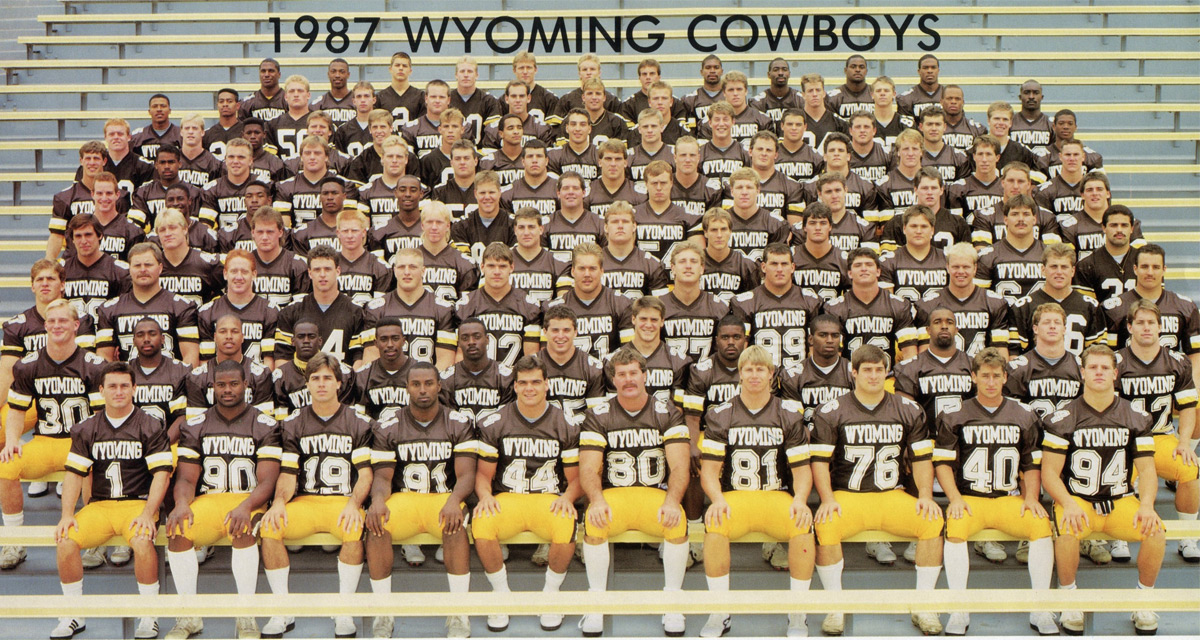
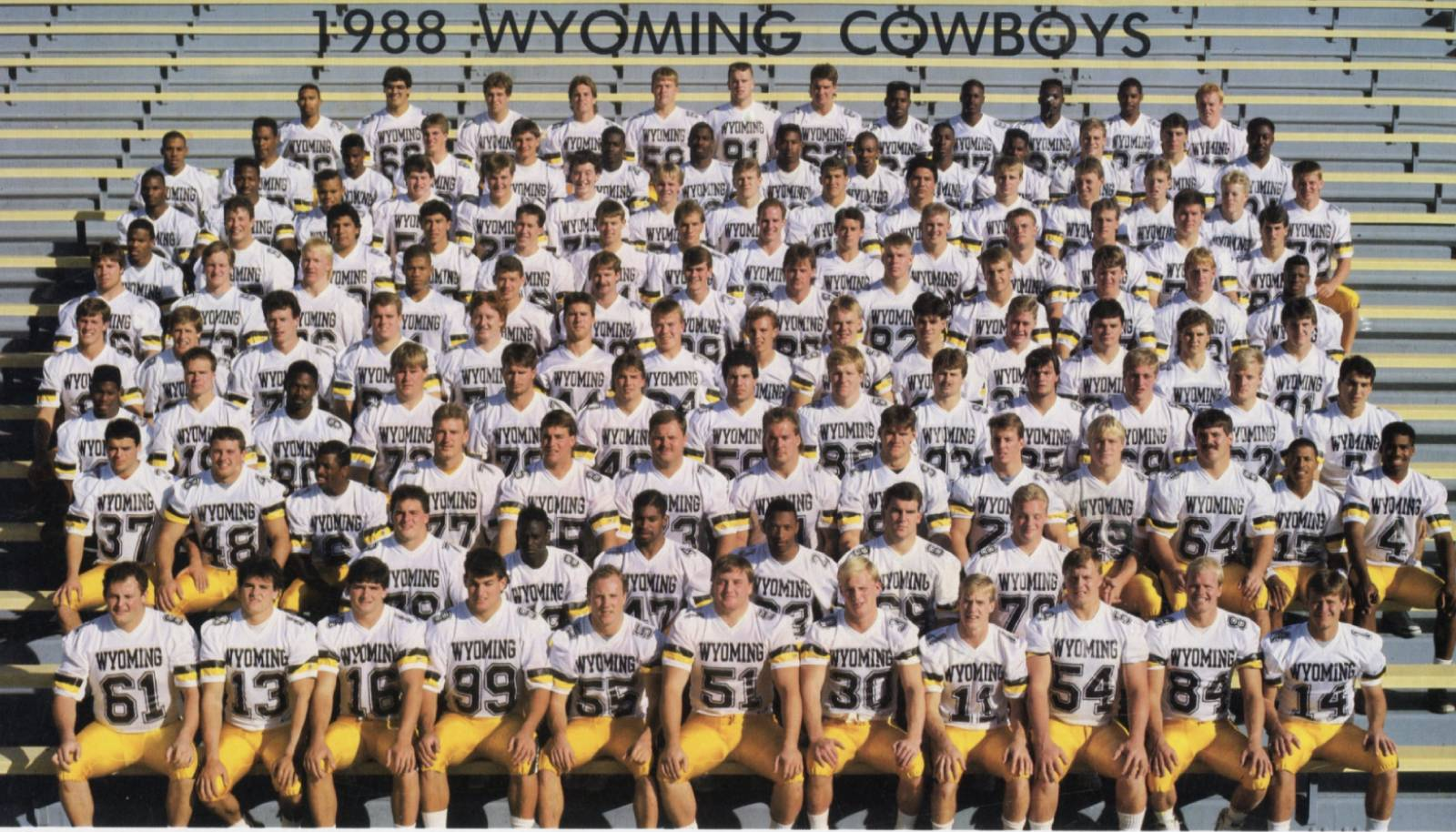
01/1985 · Starting center
The season changed in one play.
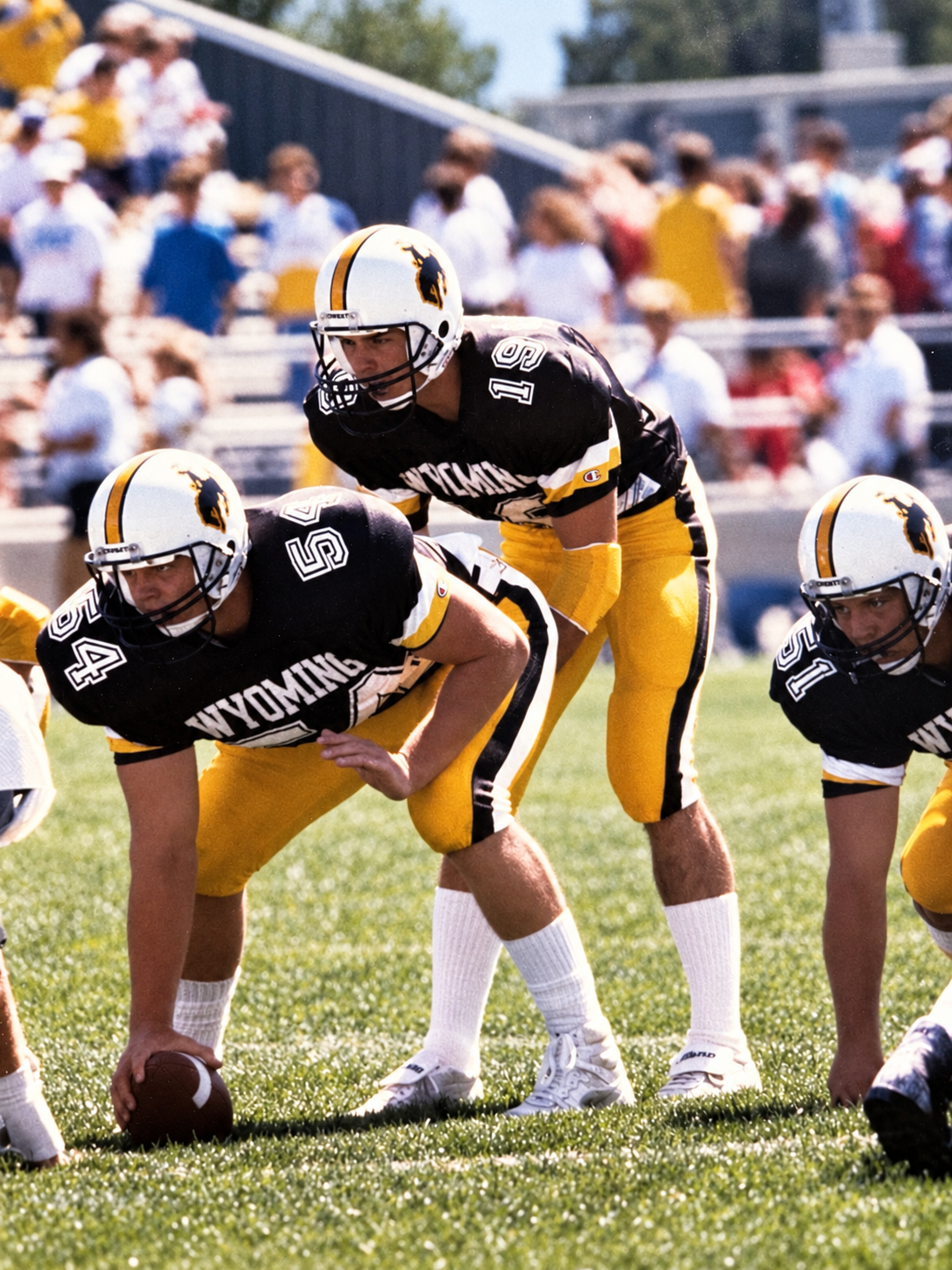
In 1985, my second year at Wyoming, I came into the season as the starting center. I was number 54.
We ran the Wishbone offense, and I loved playing center in it. I was having a blast—blocking, starting for Wyoming, and being part of that offense.
On Friday night, October 4, we were playing Utah in Salt Lake City. We were driving down the field. On a passing play, I was pass blocking when I took a hard hit to my left knee.
The pain was immediate. I lifted my leg and tried to hop off the field. I knew right away something was wrong.
My teammates urged me to lie down and wait for the trainers. Reluctantly, I did.
The trainers helped me off the field and into the locker room, where the initial examination showed that my knee was badly damaged.
I had been hurt playing sports before, but I had always been able to keep playing. This was the first time an injury kept me from playing.
About a week after the injury, I underwent arthroscopic surgery. The doctors confirmed the damage and trimmed some cartilage. They wanted the swelling to go down before repairing my ACL. About three weeks after the injury, I had a second operation to repair the torn ligament.
Now I had a different job: work through rehab, put in the workouts, and rebuild my strength. My goal was to become the starting center again.
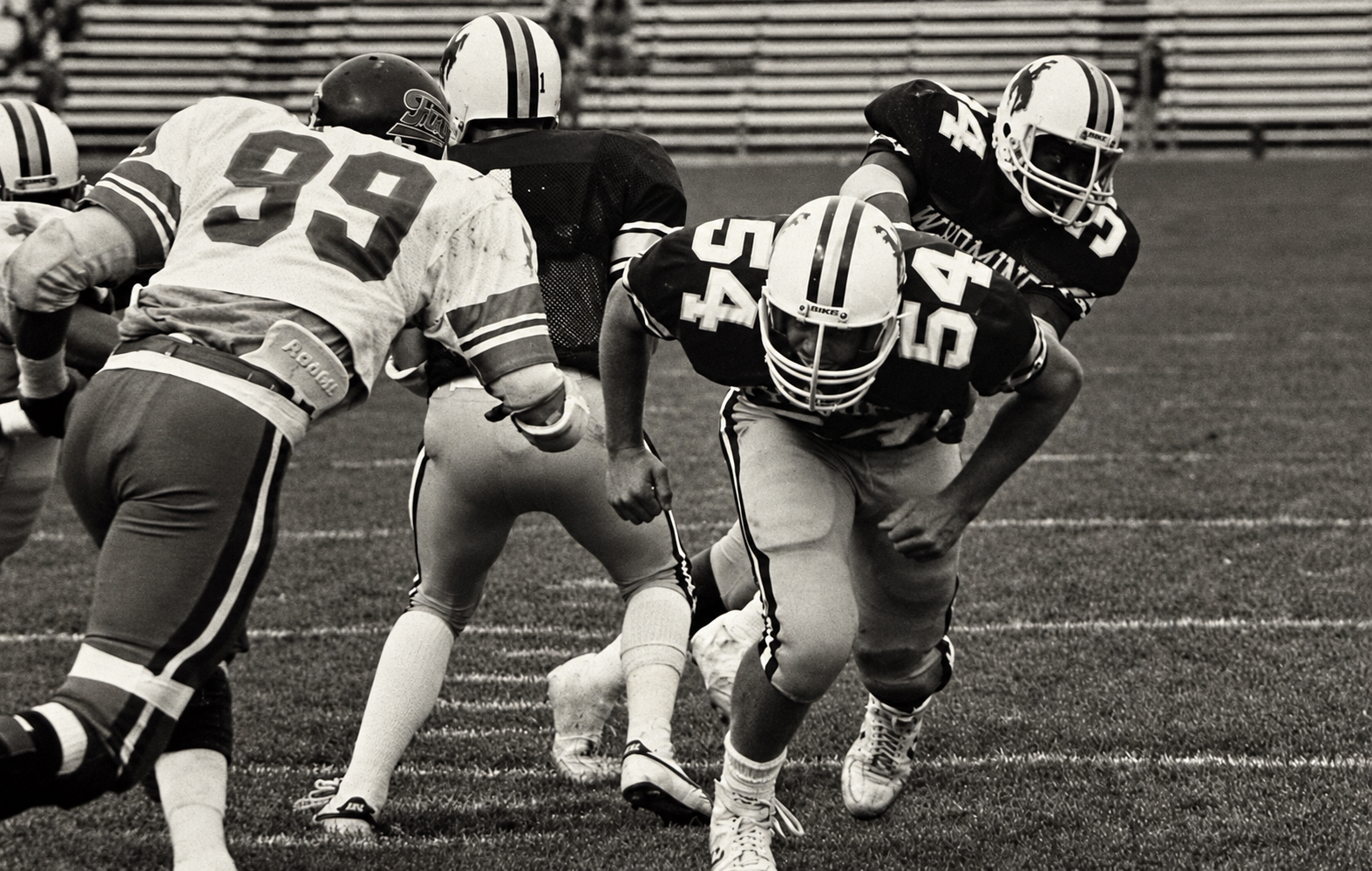
Thirteen days before my ACL injury against Utah.
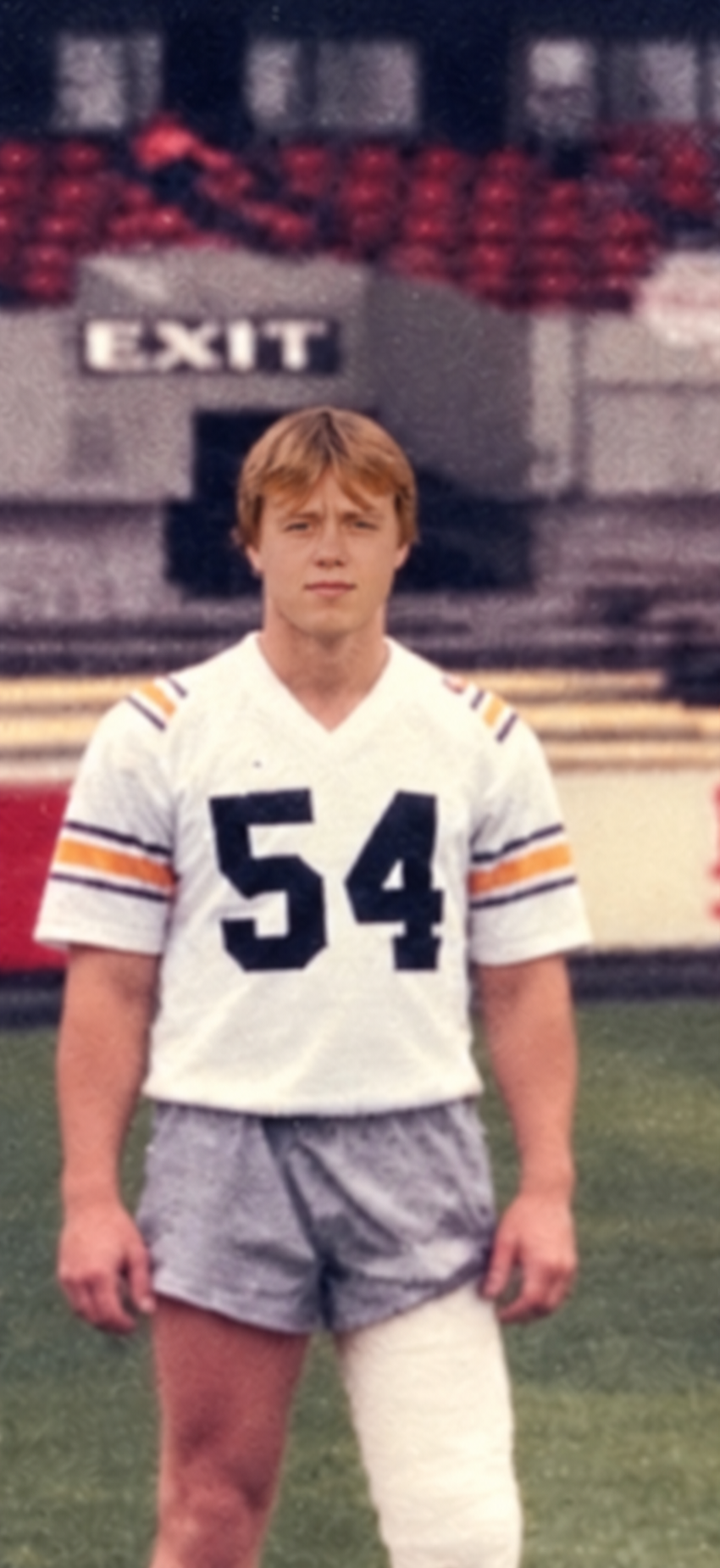
Recovering from ACL surgery, with my leg still in a cast.
02/Melbourne · With the team
I made the trip. I couldn't play.
That December, Wyoming traveled to Melbourne to play UTEP in the Australia Bowl on December 7, 1985. I accompanied the team while recovering from ACL surgery and watched the game from the sidelines.
After the operation, my doctor had put me in a cast. I could be there with my teammates, but I could not take the field.
03/1987 · The turnaround
Back at center. A championship season.
I returned to the field in 1986, but my playing time was limited. In 1987, two years after the injury, I earned back the starting job. It was an exciting time to be a Wyoming Cowboy.
We had finished 6–6 the previous season under Head Coach Dennis Erickson. Now Paul Roach, my third head coach at Wyoming, was taking over. He brought in an outstanding group of assistant coaches, including Joe Tiller, our offensive coordinator and offensive line coach.
Under Roach and Tiller, our offense took off. We built on the wide-open passing attack Erickson had installed, went undefeated in Western Athletic Conference play, won the conference championship, and earned a trip to the Holiday Bowl against the Iowa Hawkeyes.
I loved being on the field that season—reading the defensive front, making the pass protection calls, and helping our offense move the ball. I had a strong year and earned all-conference honors. After a losing season in 1985 and a 6–6 finish in 1986, being part of a conference championship team meant a great deal to me.
My roommates at the time—Randy Welniak, John Brasee, Doug DiVenere, and Eric Loftus—were part of that championship team, too. We had come through the Wishbone years together, along with many of our teammates. I believe those years helped build the toughness we carried into our championship seasons. Sharing that success with friends who had been through those earlier years made it even more meaningful.
As the 1987 season progressed, my left kneecap was not tracking properly. By the time we reached the Holiday Bowl in December, it was out of alignment. I could still play, but the knee made that final game especially demanding.
After the season, rest did not resolve the problem, and the medical staff recommended another operation. The question was when to have it. With my final season ahead, I chose surgery before spring practice to give my knee more time to heal.
04/1988 · Preparing for my final season
I could cycle before I could run.
After surgery in early spring 1988, I had several months to prepare for my final season at Wyoming. My goal was clear: return ready to do my job at center.
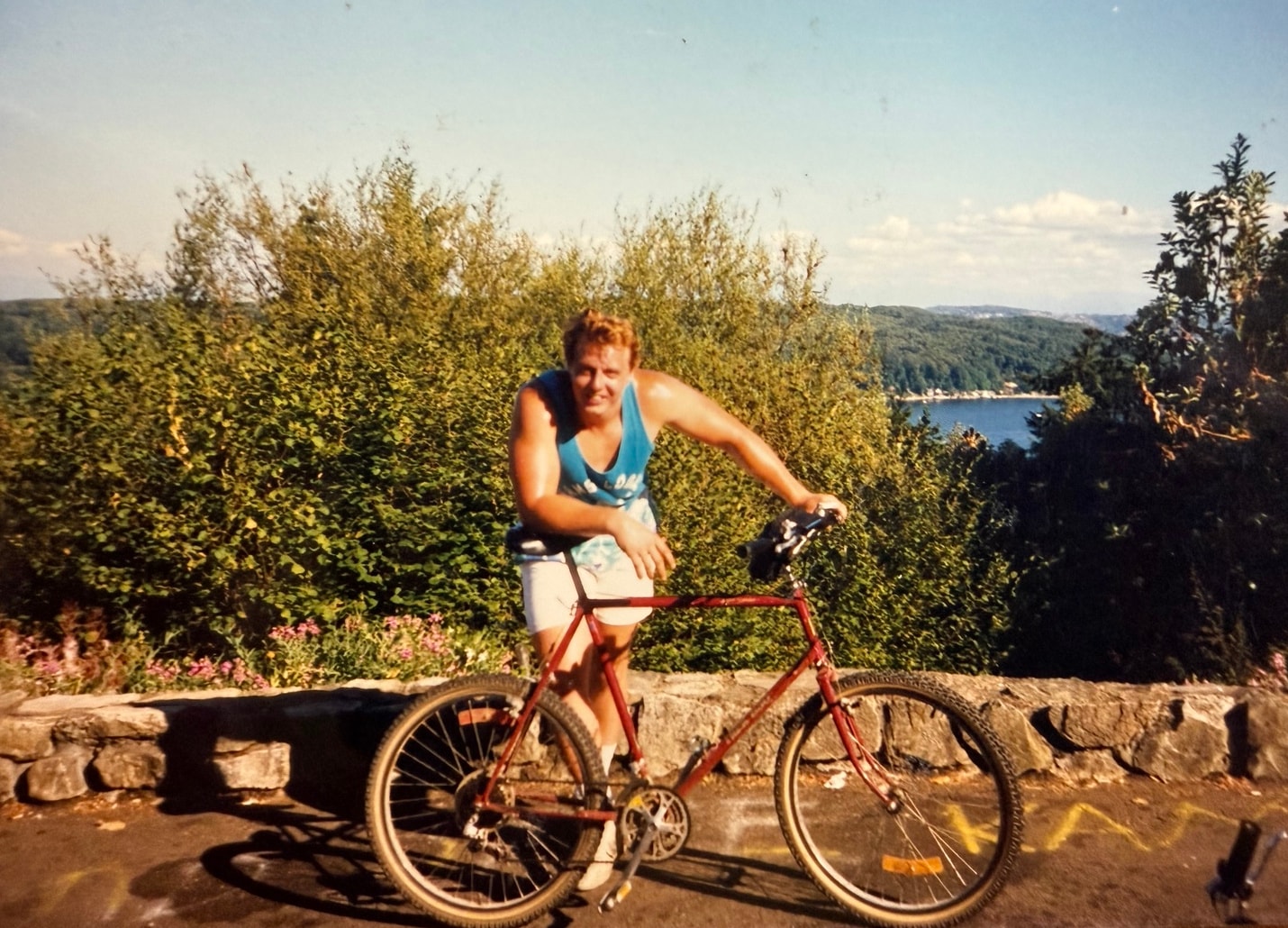
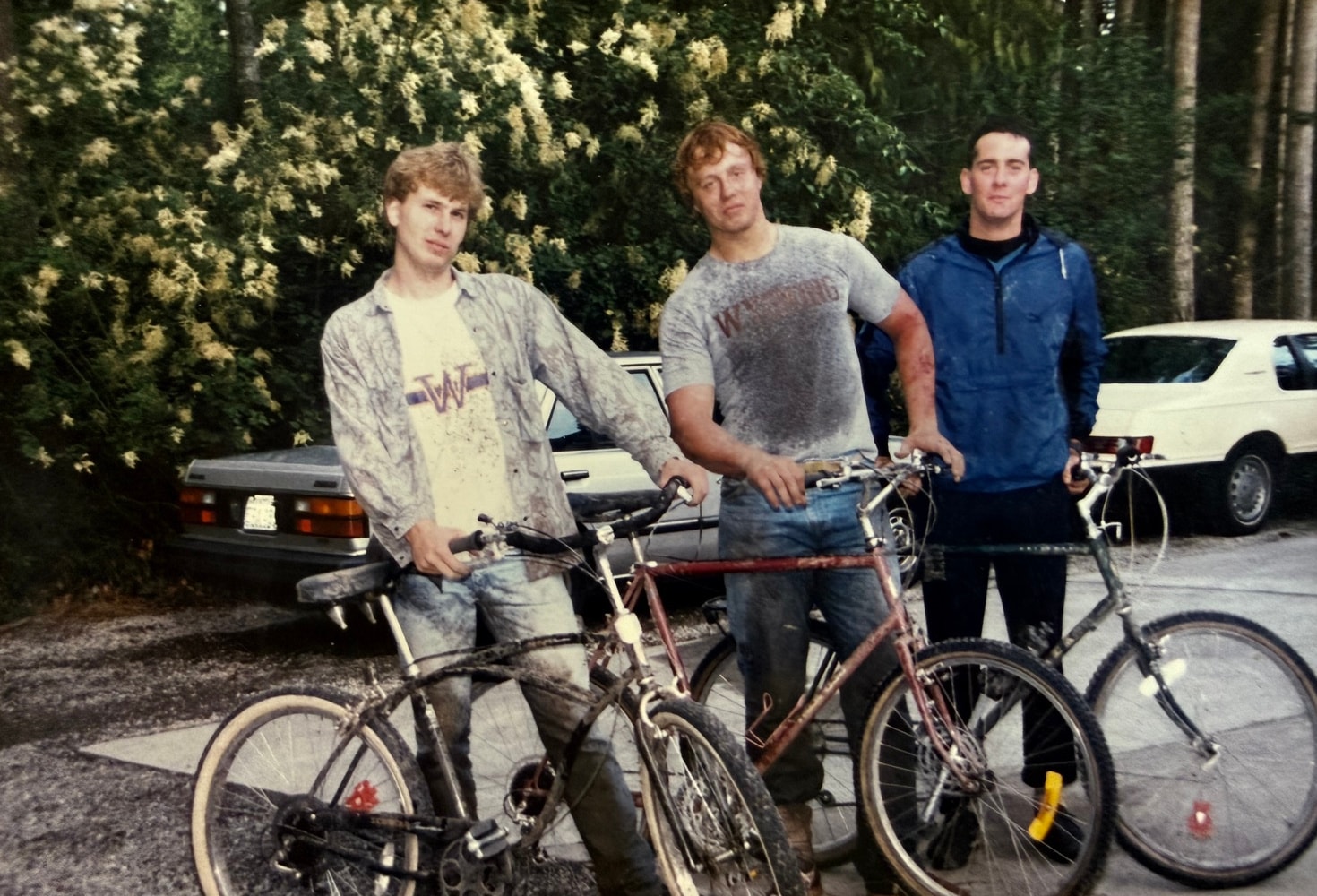
Rehabilitation, lifting weights, and cycling became part of that preparation. I could ride a bicycle long before I could run at full speed. Back home in Washington that summer, I rode my mountain bike across the Seattle area, sometimes covering as many as eighty miles in a day.
I kept working with what I could do and gradually built toward what football would require. Only a few weeks before training camp did I begin full-speed running drills.
Each day, I asked myself:
"What do I need to do today so that, when training camp opens in August, I do not look back and say, 'I wish I had'?"
The purpose behind the work was to be ready to contribute when my teammates needed me.
"I could not guarantee how fully my knee would heal. I could control how I used each day."
Grant Salisbury · The Client Clincher™
05/1988 · Putting preparation to work
“My confidence came from the work.”
When training camp opened, getting ready also meant working with our trainers and coaches to manage the demands on my knee. We adjusted when needed so I could get the repetitions I needed and prepare for the season.
During the week of our opener against BYU, Coach Joe Tiller pulled me aside. He knew what the recovery had required. He also knew their nose tackle would test my legs.
Was I ready?
I told him I was. And I meant it.
As the center, I recognized the defensive front, called the blocking assignments, and started every play with the snap. My preparation affected the entire offense.
On that first snap against BYU, I snapped the ball, fired off, and drove the defender back. In that moment, I knew I was ready to compete.
The months of preparation had given me something dependable to draw from when the moment arrived.
Later that season, I missed the Houston game after aggravating my knee against UTEP. I returned against Hawaii for our final conference game and played in the Holiday Bowl to finish my college career.
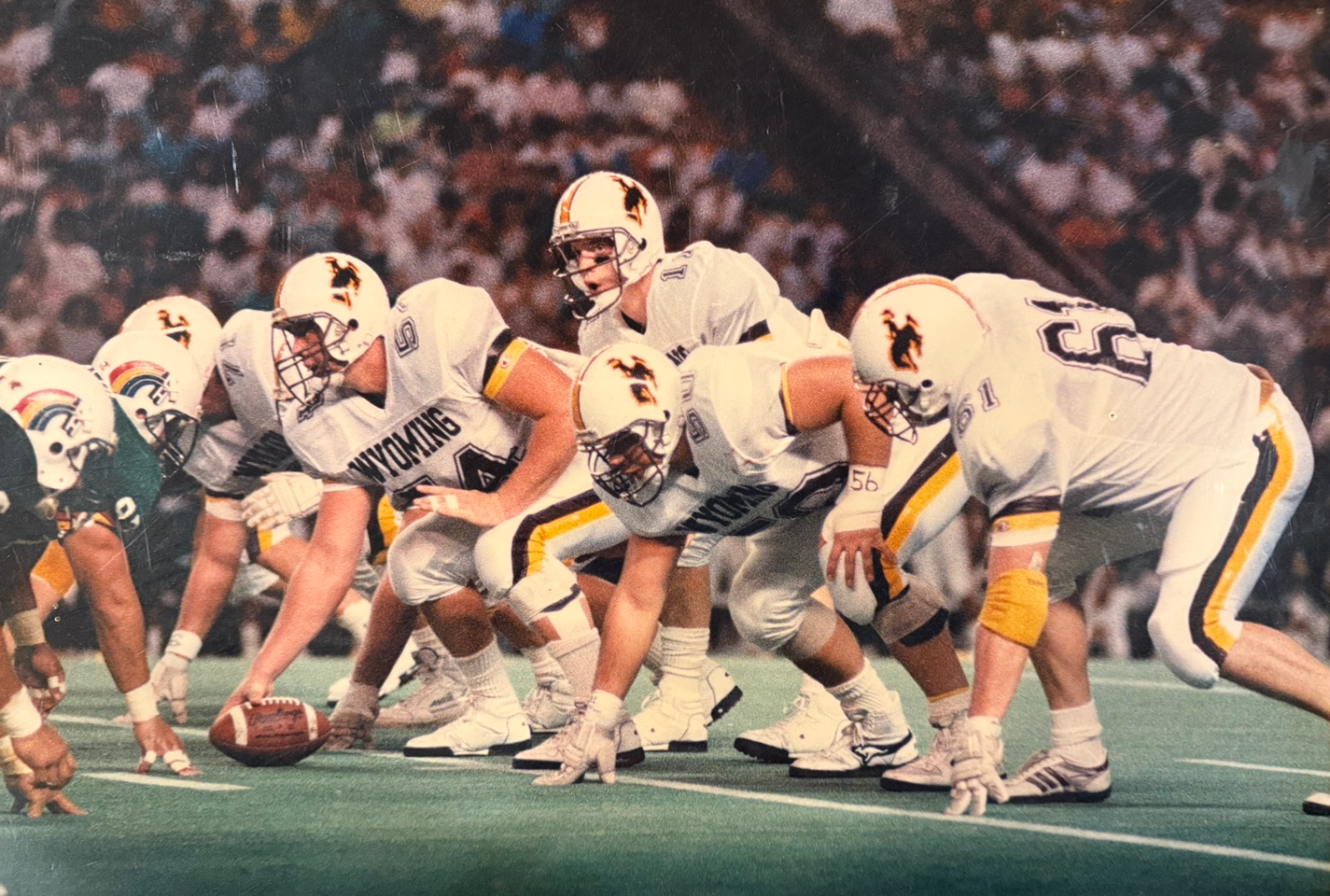
Back at center for our final conference game.
06/1988 · The offensive line
Ready to do my part.
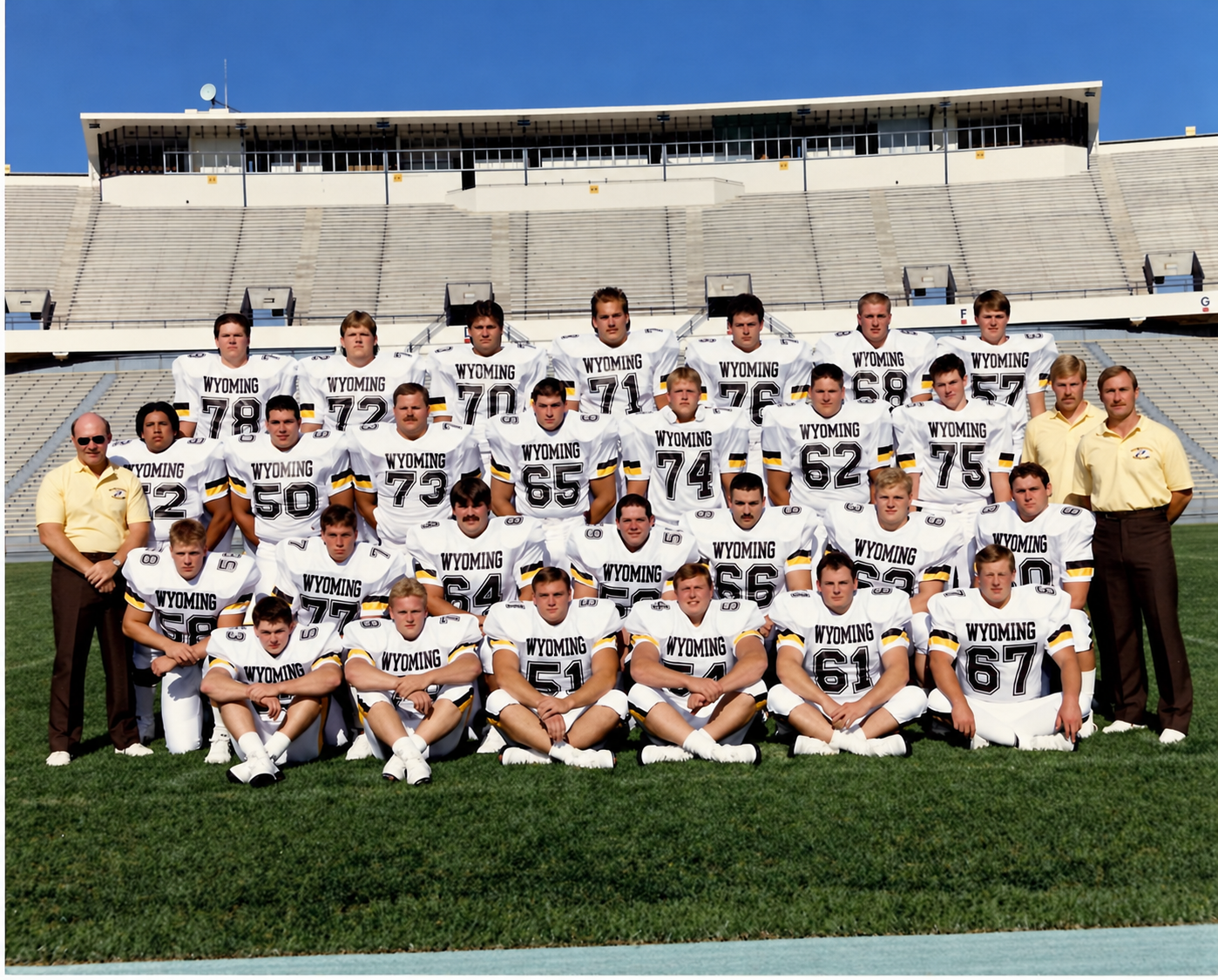
Nothing on an offensive line is accomplished alone. Tyrone Fittje, Shawn Wehrer, Tony Kapushion, Steve Slay, Tom Kilpatrick, and John Brasee had my back, and I had theirs. Decades later, we still stay in touch and get together regularly.
Under Head Coach Paul Roach, with Joe Tiller leading the offense and offensive line, we won our first ten games, climbed as high as number 10 nationally, and earned our second consecutive Western Athletic Conference championship and Holiday Bowl appearance. We finished 11–2. I was proud of what we accomplished together and grateful to contribute to an exceptional team. I had to prepare differently, but the standard never changed. That experience still shapes how I approach work and responsibility: prepare now for the next game, the next meeting, and the next opportunity. Decide what you are willing to bring while you still have the chance to bring it.
I was proud of what we accomplished together and grateful to contribute to an exceptional team.
I had to prepare differently, but the standard never changed.
That experience still shapes how I approach work and responsibility: prepare now for the next game, the next meeting, and the next opportunity. Decide what you are willing to bring while you still have the chance to bring it.
11–2
Overall record
8–0
Undefeated WAC champions
10–0
Won our first ten games
No. 10
Highest national ranking
511
Total points scored
66
Touchdowns scored